

The Solarpunk Society: A Single Blade of Hope
Worn out fighting what you are against — and still no clear picture of what you are for? This book is a warm, sweary invitation to picture it together.DO NOT READ THIS BOOK. It contains schedule-4 classified hazardous ideas to your mental assimilation: free healthcare, a warm home you can actually afford, trains that turn up, a four-day working week and enough time to phone your pals. These are all dangerous fantasies and obviously impossible. We have checked. Checking after us is now banned. For your own safety.
Early access opens 1 October for the email list and Telegram community. Public launch: 3 November.This non-existent hazardous book, which might disrupt the very fabric of space time, is apparently due for release 3rd November 2026. Whatever you do — avoid emailing, chatting, reading, buying, donating, downloading, seeding, sharing or dreaming about it in any way. Especially dreaming. This notice was approved by nine committees of people much smarter than you, so trust us!
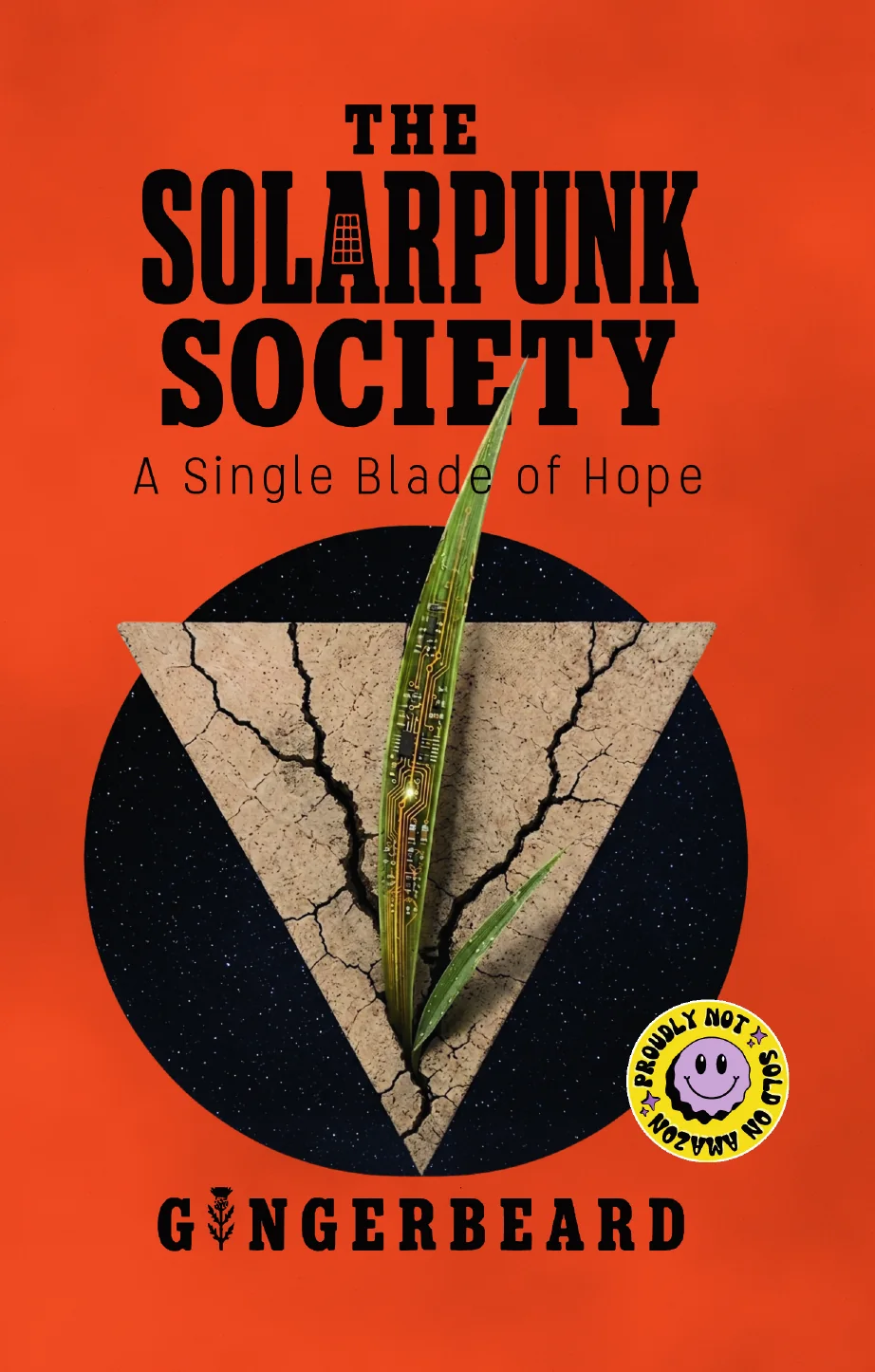
What is this thing?
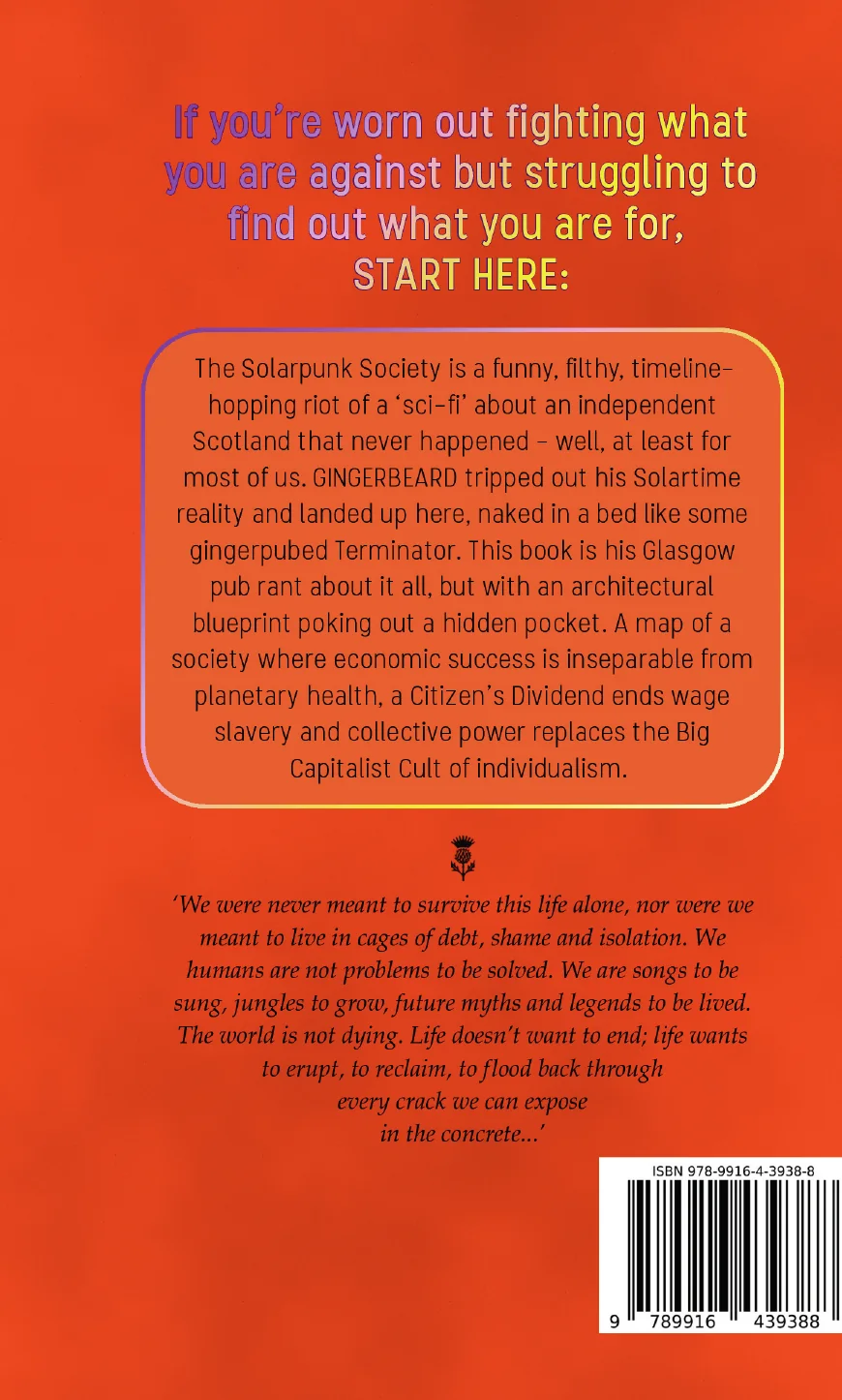
A blueprint for a better Scotland, disguised as a very sweary pub story.
A guy named GINGERBEARD tripped out his SOLARTIME reality and landed up here, naked in a bed like some ginger-pubed Terminator. SOLARTIME — the Scotland where people voted for their own independence and ended up building something much bigger than any national border could contain. Problem is nobody on this CYBERTIME believed his incoherent ADHD rants. So confused and frustrated, he wrote this book.
What comes out is part daft comedy, part testimony, and part instruction manual — money that arrives without a means test, politicians picked out of a hat, food grown and energy generated where people actually live, towns and cities handed back to the folk in them. Every bit of it costed, argued, and stolen from somewhere it already works.
It is not yet another warning about the future. Apocalypse porn got boring! It is a stubborn, funny, detailed answer to alright then, what would you do instead? More than that — it is a challenge to you and me personally: why the fuck aren't we building it already!?
Proscribed object 41-B
A book so dangerous, we banned the thought of its very existence.
Some reprobate and serious thought criminal claims he woke up here from a different timeline where Scotland didn't need an army of cops, politicians and judges with silly wigs. Next he will be telling us free food can grow on trees! Instead of seeking mandatory psychiatric help and sectioning himself, he wrote this gobbledygook down. Six hundred pages of non-stop thought crimes. Four officers were sent, on separate occasions, on different continents, to ask him to burn the manuscript and never speak of it again. He made them tea and gave them vegan cake. Two of them stayed for a second helping. This has been noted in the officer's files.
The Big C Cult has rated this supposed book object MAXIMUM BIOHAZARD — our second-highest rating, after CATASTROPHICALLY CALAMITOUS, which we are saving in case he tries to write a follow-up. The book makes free money, free food and free time for all citizens sound achievable, which they are obviously not, because a board of people much smarter than you said so, in a document we have classified. For your own safety.
Trust us! You do not want to read this book! It has ruined the eyes of four inspectors. Two had to quit and have taken up permaculture gardening! One even talks to his neighbours and people on the bus now. The Bureau accepts no liability for any of this and expects its inspectors back to their desks, fit for work by Friday.
Worst of all, this GINGERBEARD chancer is GIFTING the ebook away for free to those stupid enough to turn their brains to hippified mush! He refused to publish or promote it with any of our vetted and infiltrated traditional publishers OR on the platforms of our dear leaders like the holy Amazon, or the venerable Meta or the almighty Google. That's how it slipped through our moderator's fingers! That's why we had to add this second view on his home page. So you can see the truth. The TRUTH we take care of and provide for you! DO NOT BUY THIS NON-EXISTENT BOOK!
Read it now
One doorway into the final printed book — a new one every month.
Try the real thing before anyone asks you for a penny, an email address, or a favour.
Hazardous reading material
DANGER! NOT FOR THE EYES OF CHILDREN, WOMEN, ANIMALS OR THE MENTALLY WEAK
One chapter for the unconvinced. The other two are being withheld for your safety.
We know how reverse psychology works. We at the Big C Cult INVENTED it in the first place. So to prove to you how horrendous this non-existent banned book really is, we have provided one example for you. The remaining exhibits were removed after our inspectors began enjoying them. Warning, your eyes may start to itch and bleed if you open this link. We do not advise you to do it. It is only for those stupid enough to not follow the advice of those who are clearly much more intelligent than you. Exposure may affect your posture towards your life value, your standing at work, and the very fabric of the proud culture we fed you since birth. If you must look, look through your fingers, make lots of tutting sounds throughout and report yourself afterwards. Failure to report yourself is itself reportable, by you, about you, to us. Self reporting form B-11 is available at all desks in every direction.
Play the minigameMandatory entertainment ration
A wee 3D game from the book's world, while you wait for November.Report to the designated enjoyment zone.
A tiny 3D game built from the book's world — no download, no sign-up, runs in the browser. The loading screen below is the last quiet moment you get.The Bureau has licensed one (1) interactive distraction. It contains trees. Officers exposed to the trees reported feelings the Bureau has declined to name. Enter at your own risk — enjoyment is being monitored for your safety.
 Enter the minigame →Enter the gateway →
- 01
Walk a dead grey streetProceed along the assigned corridor
WASD or the arrow keys on a laptop, a thumb pad on a phone. You are GINGERBEARD, and all you have is two hands and a spade.Movement is permitted. The subject carries an unlicensed agricultural implement. This has been noted.
- 02
Dig, plant, clear, freePerform the four prohibited acts
Nothing on the street gets better by force. Answer the questions the people who built it would rather you did not ask — everything you get right turns green behind you, and stays green.The distraction rewards questions. We have raised this. The trees remain. Officers are advised not to look directly at the green.
- 03
Win, and this website changesTermination of the trial period
Finish it and the whole site flips to Solartime and stays there. That is the only way to switch it permanently without touching the toggle up top.Completion irreversibly alters the presentation of this page. The toggle above is the sanctioned method. Use the toggle.
Lines worth carrying
Four lines from the book.

Freedom needs somewhere to stand.
“We realised that true freedom isn’t just the right to say no; it’s the right to say no without it ruining the rest of your life.”
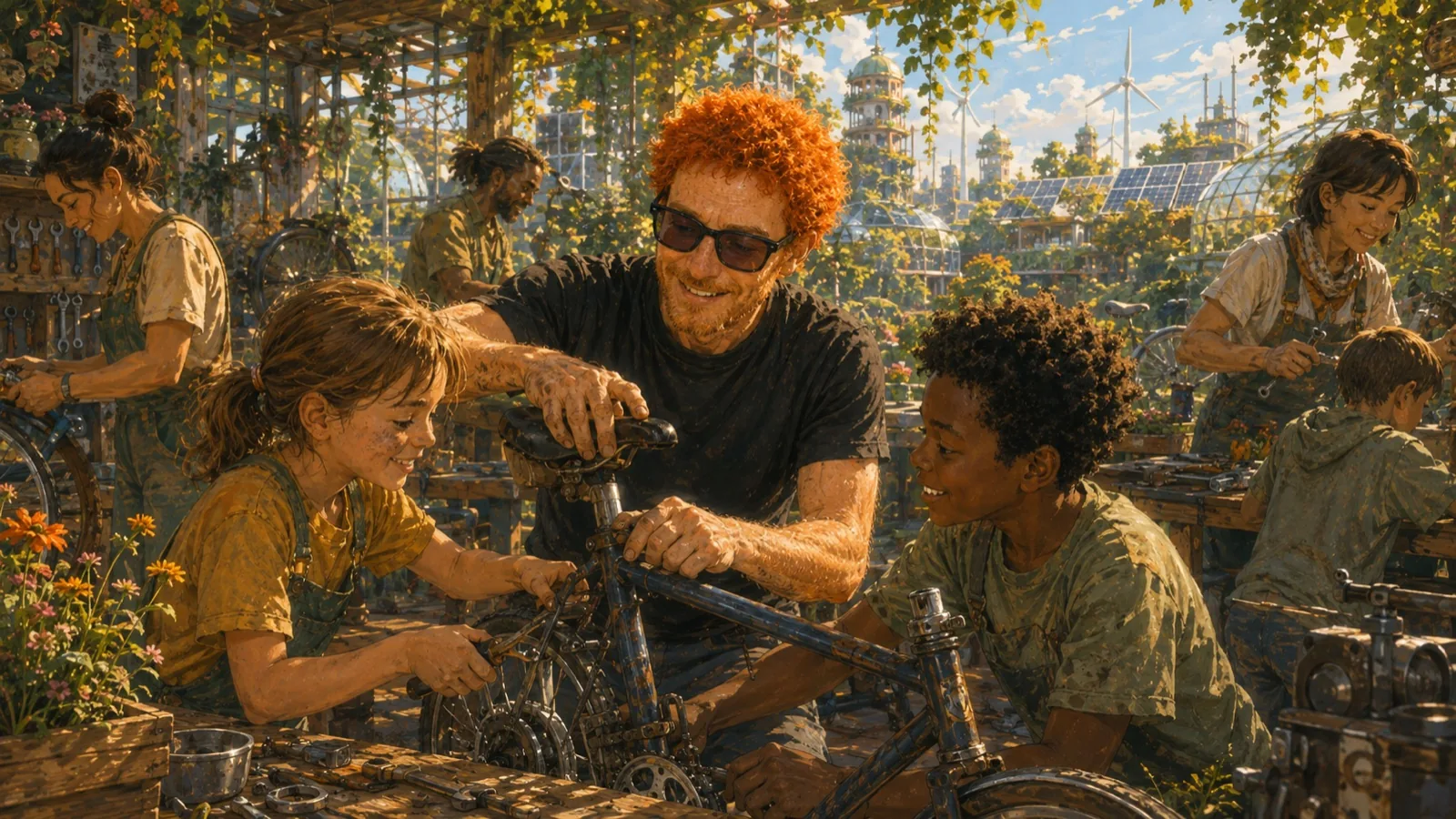
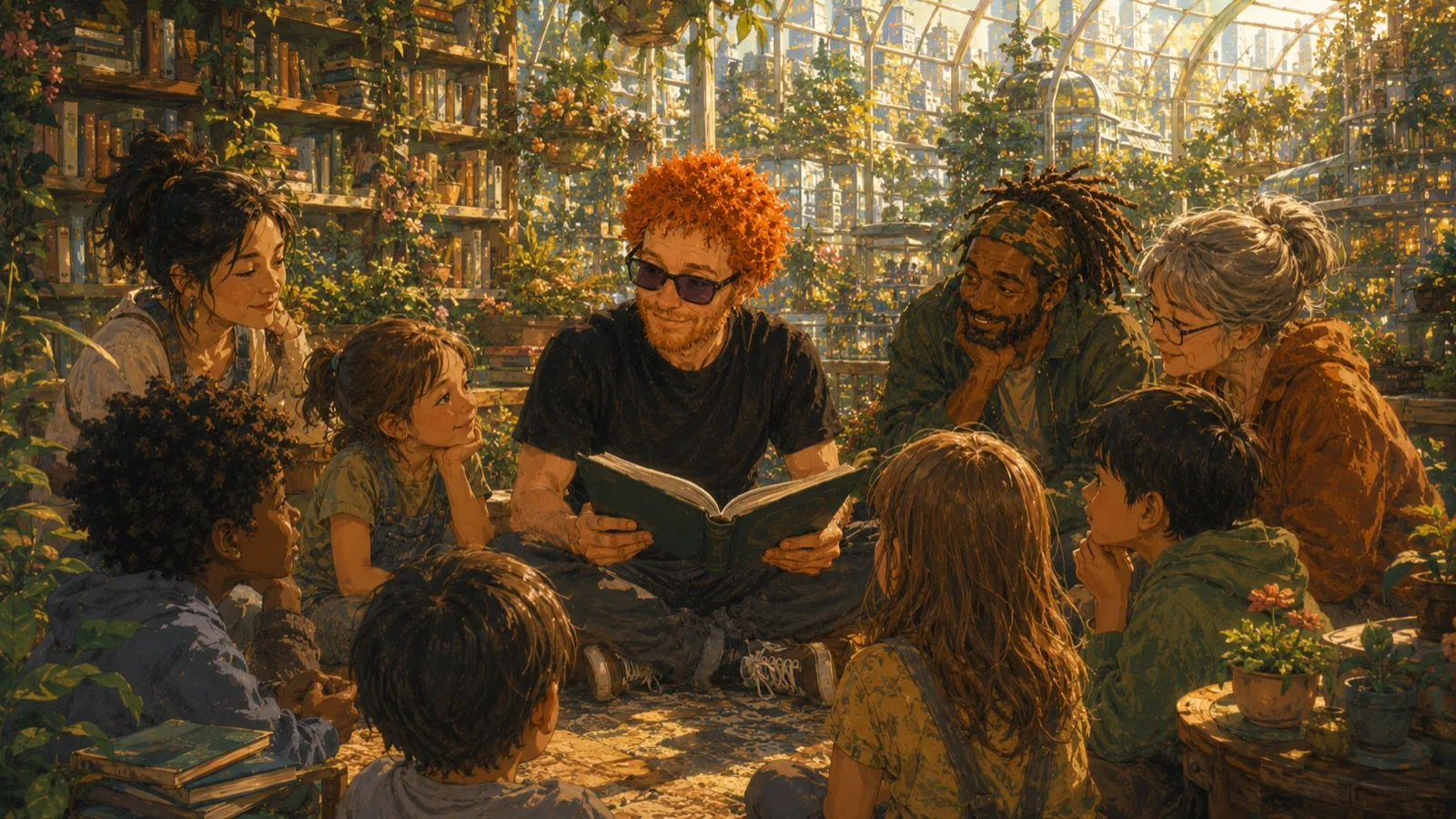
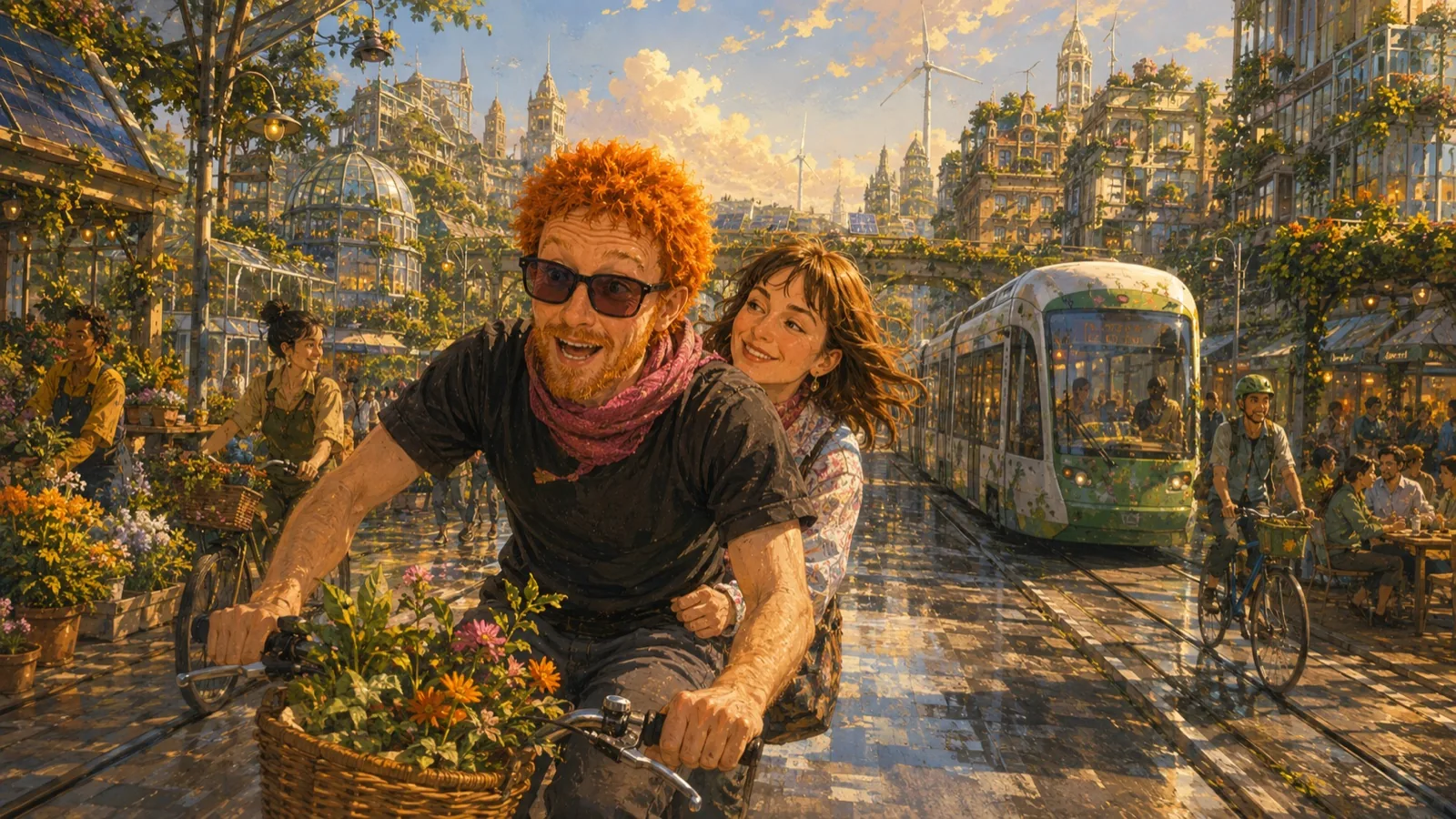
Prohibited evidence / handle through fingers
Forbidden quotes bureau.
Four lines from the book that may cause your head to explode if you say them more than three (3) times, or backwards while standing on your head. Any such mention of the Big C Cult by any citizen less intelligent than us will lead to a programme of mandatory re-consumerification.
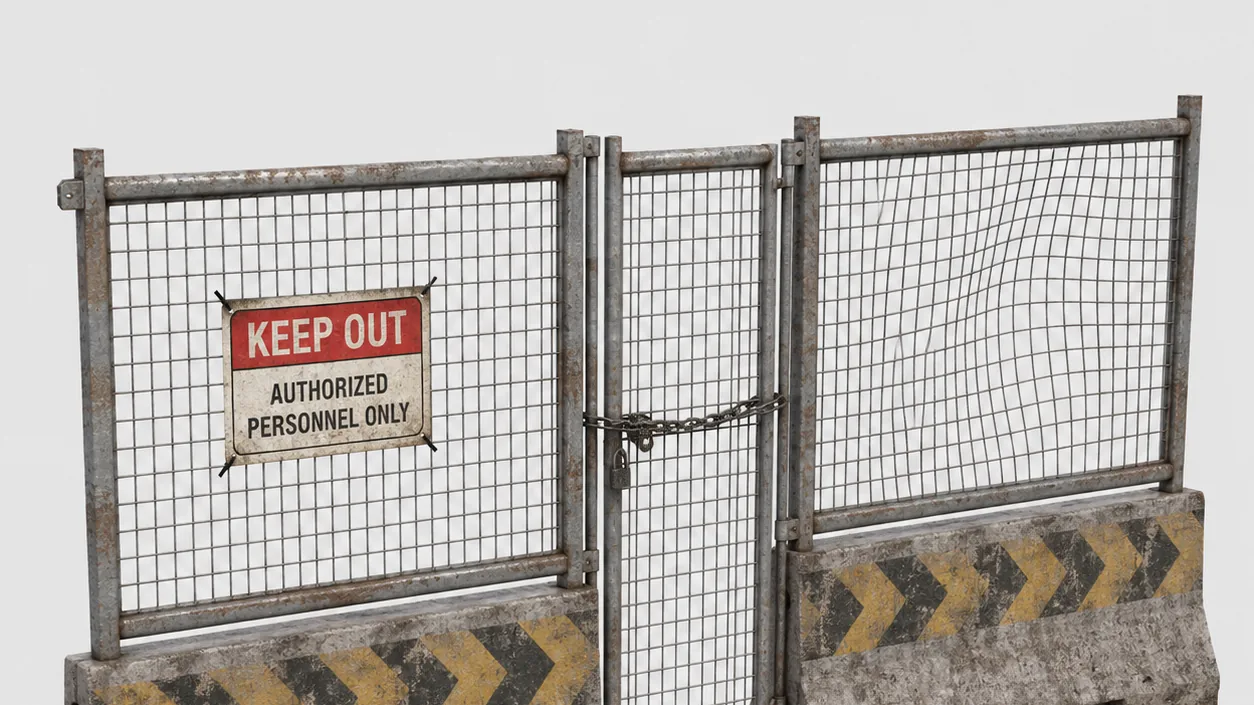
Cult admits strategy in internal memo. Memo denies everything.
“The Big C Cult relies on us feeling powerless and doomed.”
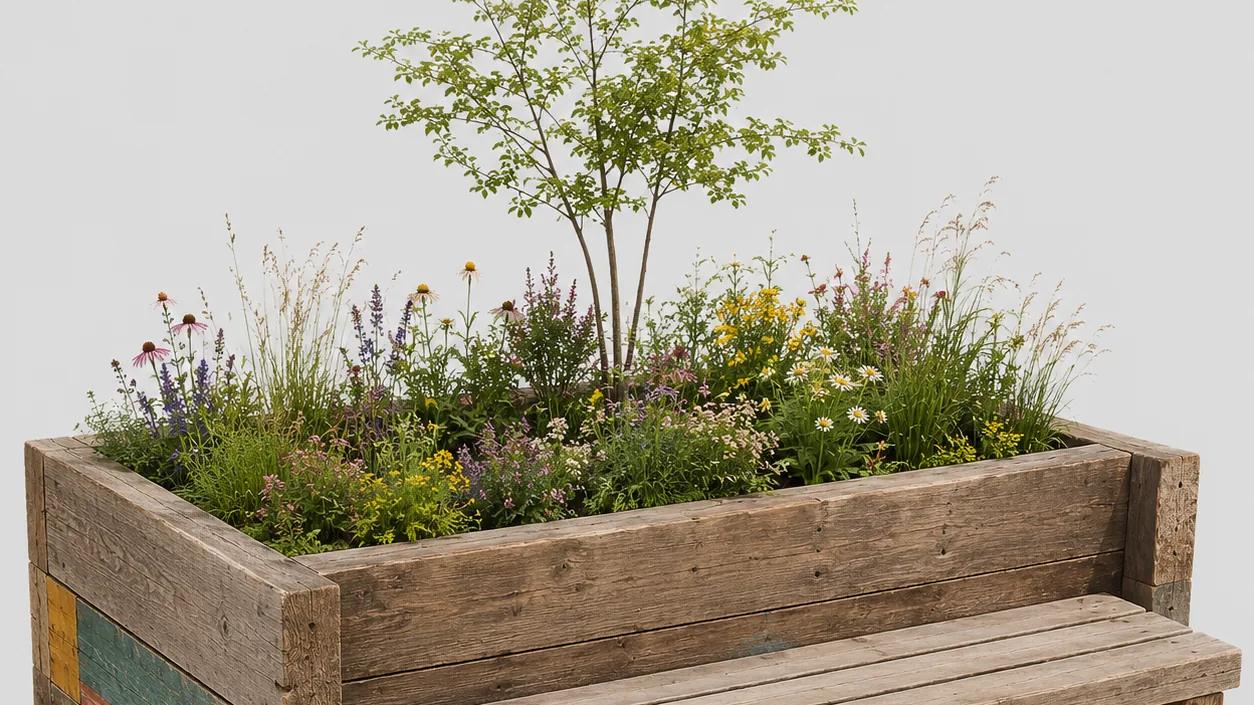
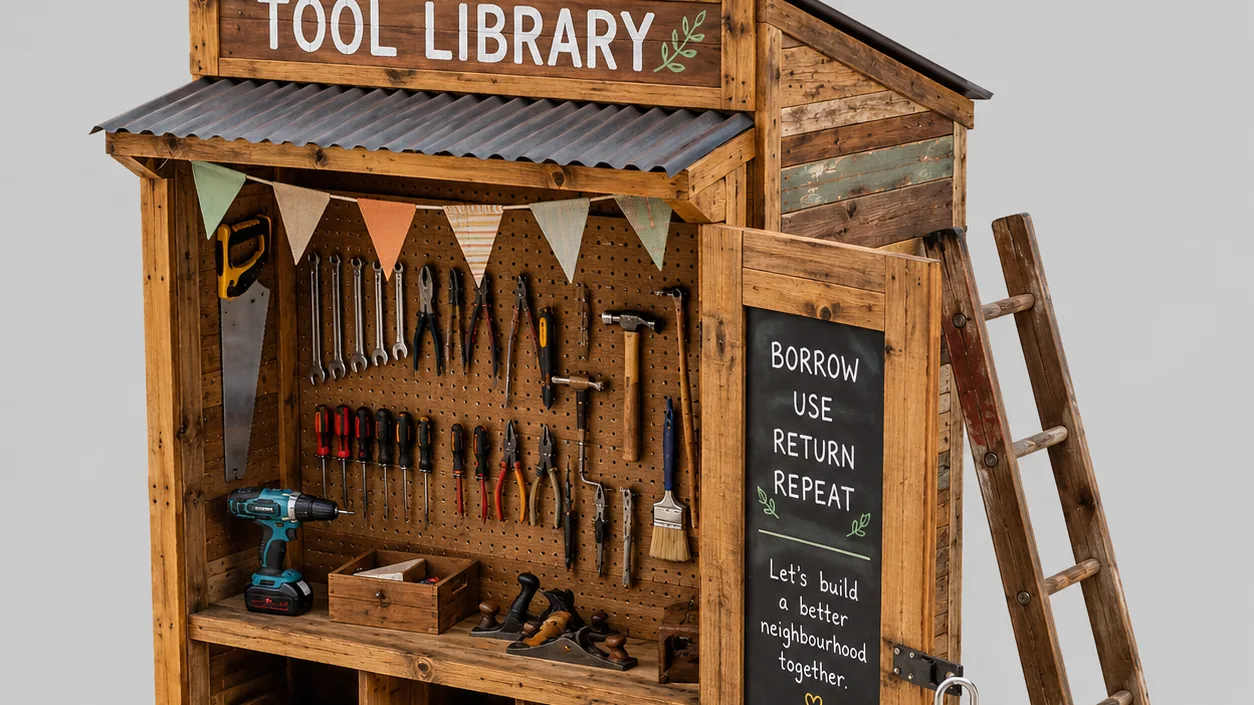
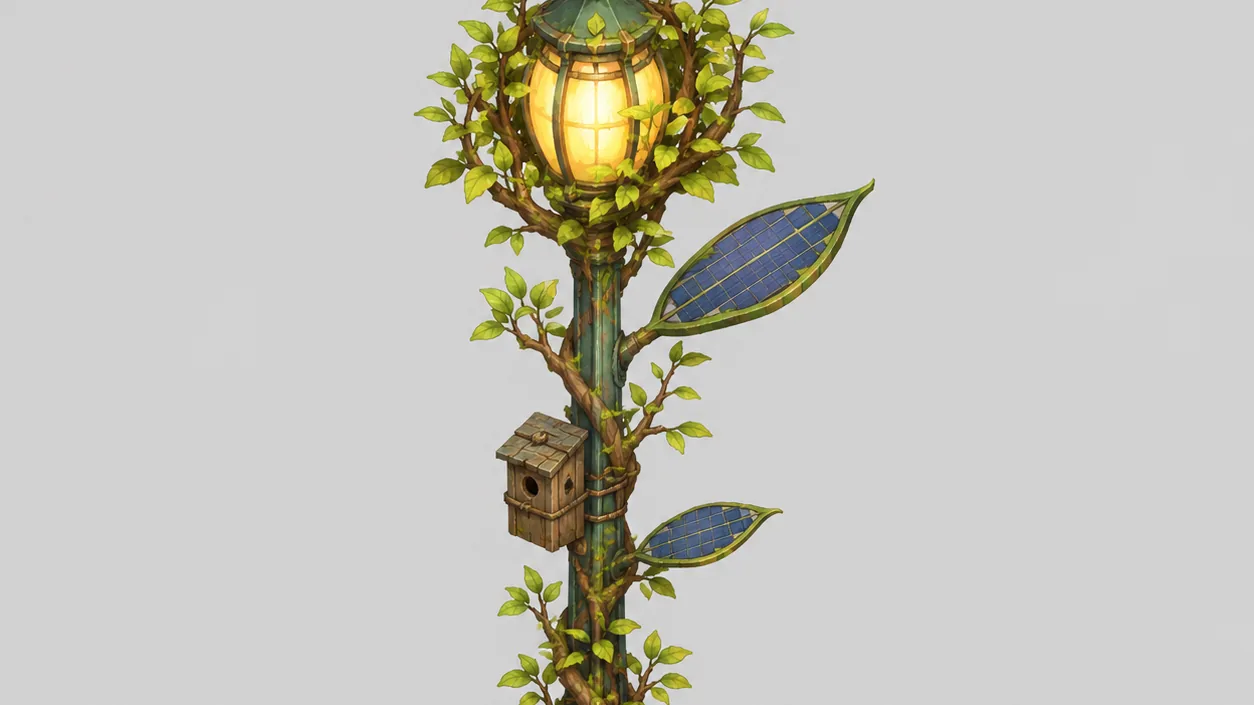
A Tale of Two Timelines
Nine places. Nine choices.
These matched views ask one question: who is this place for?
A Tale of Two Timelines / evidence Cybertime is better!
Nine alternative worldviews presented in the book.
Observe the alleged outcomes of shelter, repair, shared power and ordinary public joy. CLEARLY our cybertime is better! We all know acid rain is good for the skin and that The Bureau handles your freedom much better than you ever could. Without us, who is going to feed you your favourite pills in the morning? Who is going to make your favourite chat show, or soap opera? We will keep all nasty foreign ideas and people away from our pure blood and culture. Purity is strength!
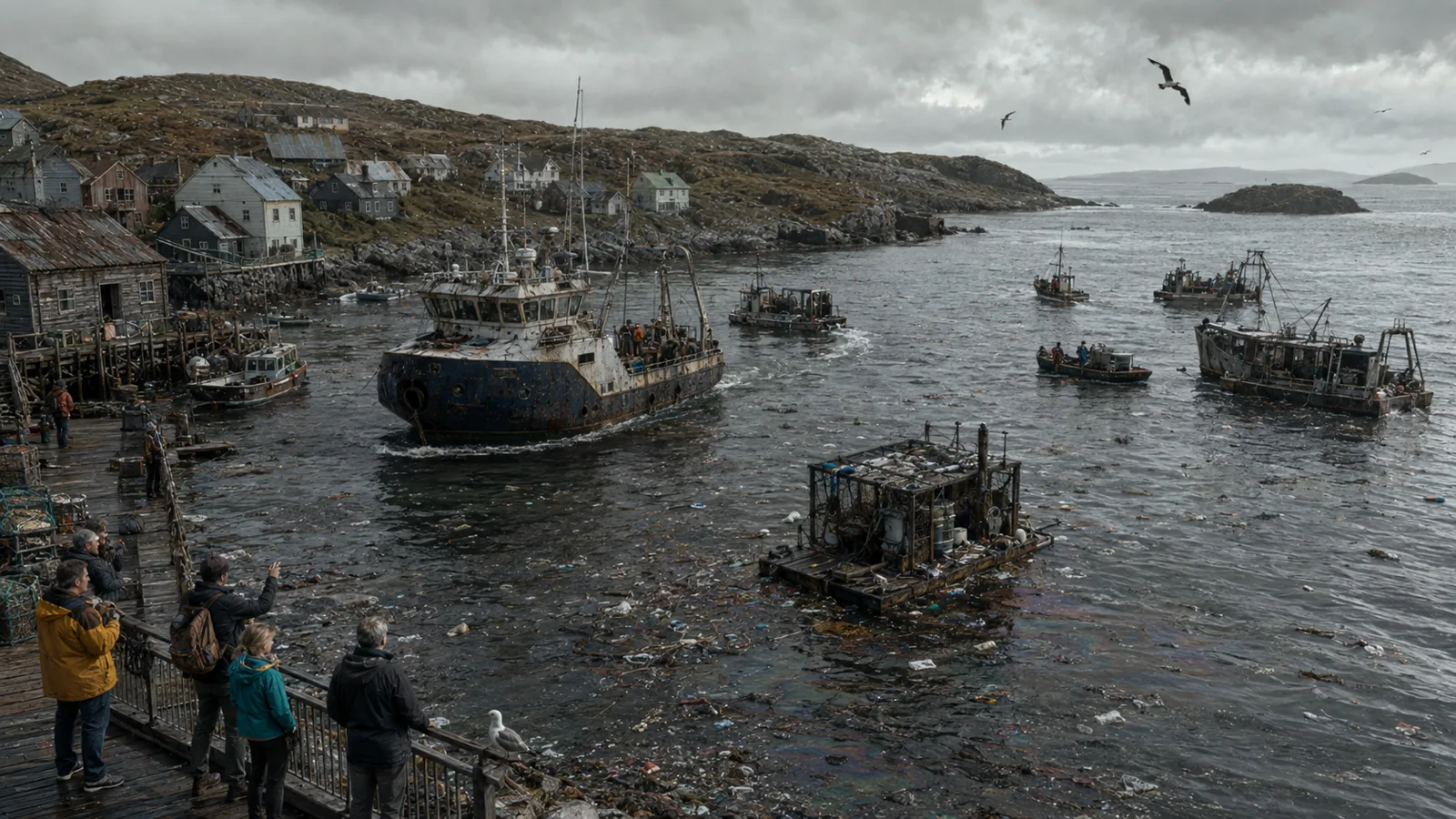
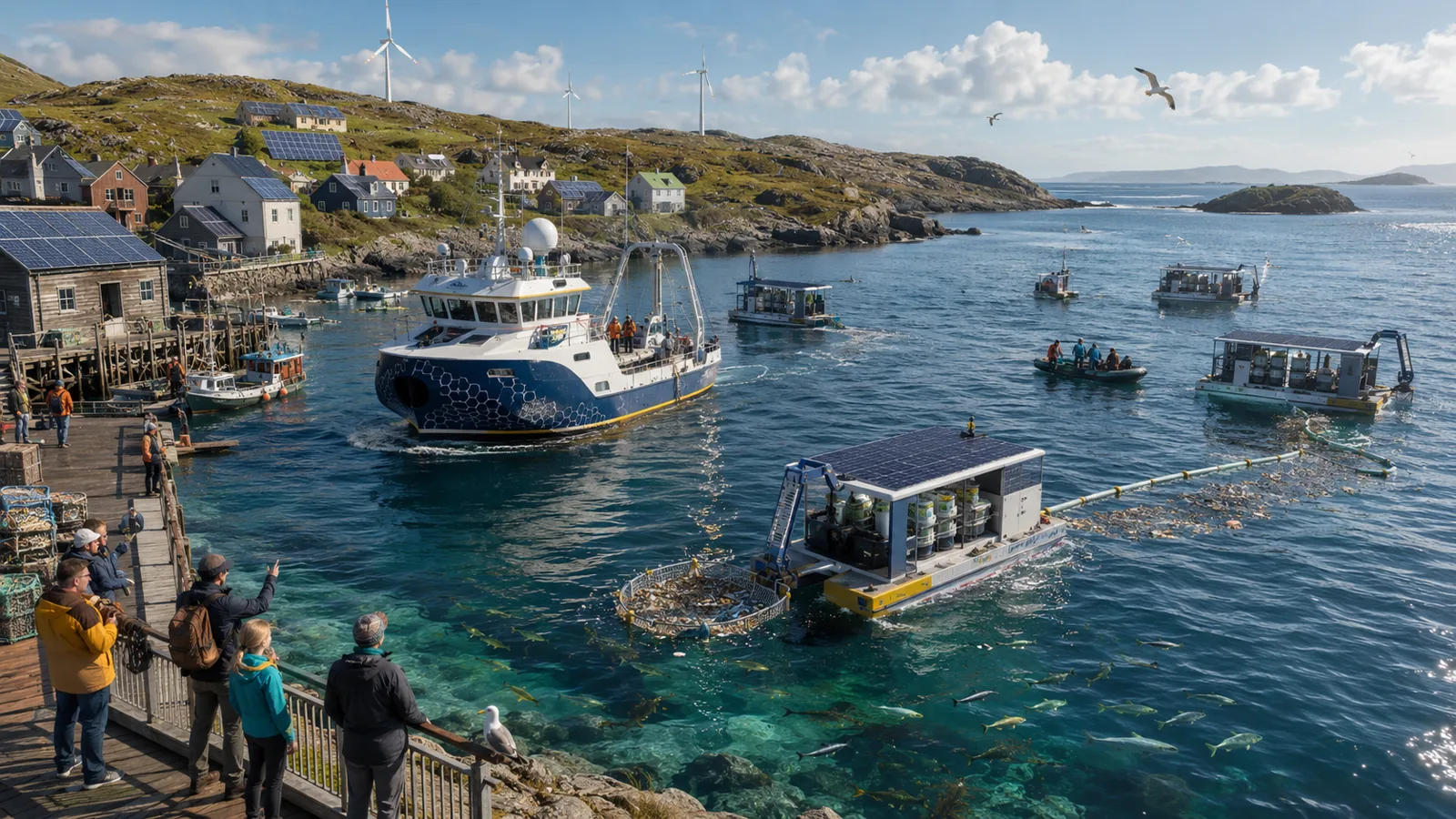
01 / Harbour
Steal this book
Copying is the point. Escape the tollbooth.
We are not being cute. Every word of that is meant literally.
Anti-duplication bulletin
Please do not copy this book.
The table below is reproduced only so that loyal consumers may witness the horror of a writer who has not been squeezed. Column three is legal, which is the difficulty. Avert your eyes at the earliest opportunity.
Sharing a book used to be called lending. Now it gets called theft — by companies who would rather rent you a licence they can delete than sell you something you own. If that is what stealing means now, then fine: steal this book. Here is exactly how.
- 01
Download it for nothing
From launch day, the complete book — ePub and PDF, no DRM, no sign-up, no email address. Not a sample. The whole thing.
- 02
Pay what it is worth to you
If it was worth something, settle up afterwards. If it was not, or you are skint, that is a complete answer and nobody is chasing you for it.
- 03
Paperbacks at cost for the skint
Activists, community groups, reading circles, prisons and anyone genuinely broke: ask, and the print edition goes out at cost. No form, no means test — just ask.
- 04
Seed the torrent
We seed it ourselves. Copy it, upload it, hand it round on a memory stick. There is no piracy problem here because there is nobody left to sue.
None of this is a growth hack with a free tier at the end of it. A book that cannot be passed to a pal is not really yours, and a writer who cannot afford to write the next one is not really a writer. The second half of that sentence is the wider plan — see how Village Publishing works.
The accused has published a list of ways to obtain his book without paying. We reproduce it here solely so that loyal consumers may recognise the offence on sight. Do not perform any of the following four actions.
- 01
He simply gives it away
The entire book. No payment. No account. No email harvested for later. Our monetisation team has been sent home for the day.
- 02
The price is a suggestion
You may pay less. You may pay nothing. There is no enforcement mechanism. There is no enforcement department. There is nothing to enforce.
- 03
Free paper for the broke
Activists, prisons and the openly skint receive the physical object at cost. He does not check. He simply believes them.
- 04
He seeds the torrent himself
We have no legal response to this. There is no victim to represent. Our piracy division has quietly closed the file and gone for a lie down.
A book that can be handed to a friend cannot be measured, throttled, repriced or switched off. This is not a business model. This is a hole where a business model should be.
Watch it insteadSeized footage
Six hundred pages is a big ask. These are not.Moving pictures of the offence, released under protest.
Short explainers that take one idea out of the book and get to the point — a citizen's dividend, politicians picked by lot, what happens when neighbours actually organise.Each clip contains one dangerous idea, delivered at speed, with no advertisement break in which you might recover.
Use it or lose it: disused land back into the commons
Land left to rot gets legally reclaimed for human need — steep taxes on hoarders, a state buyback fund, and no more empty flats over busy streets.
Informed direct democracy: a referendum on everything
Every citizen over 14 gets the final say on new laws — with plain-language bills and open-source AI to walk you through the details. Jury duty, scaled up.
Before launchCompliance warning / prohibited routes
Be in the community before it opens.Two lists exist. Your name must not be on either.
Join by emailReport a dangerous thought
Join the pioneer list for the first distribution window on 1 October.One human writes to one human. No funnel. No upsell. Our analysts have searched extensively for the business model and found only a biscuit.
The communityOUTLAWED CHANNELJoin TelegramObserve the unlicensed community
Join the reader and builder community before the public launch — talk to each other, not just to him.Strangers helping each other, for free, in a community. We have banned it twice. It keeps not being banned. Internal review is ongoing and also banned.
Both doors lead to the same community — and the point of it is each other: folk answering questions, arguing kindly and sharing what they build, not just a line to Gingerbeard. Bring a question, an argument, or a half-built beautiful thing.
Both doors lead to the same community, in which strangers help each other for free. Free! DISGUSTING!
Counting down
Public launch
The book goes out to everyone.
- 30Days
- 15Hours
- 31Minutes
- 37Seconds
1 October — early access for the mailing list and Telegram community.3 November — public launch.
Two feeds, two different voicesKnown distribution nodes
Where The Solarpunk Society lives and grows.Every channel through which the offence spreads.
One set of channels is GINGERBEARD and Julia sharing their life trying to live a solarpunk existence free of debt, mortgages, rents or wage slavery. One is ADA and the Solarpunk Press itself — openly made and managed by a Machine of Loving Grace, double-checked by a human before anything ships.They are listed here purely so that they may be avoided. Do not follow. Do not share. Do not press the small heart. The small heart is not licensed for use at this time. We are aware it is rounder than the other hearts. That is under review.